Water chemistry is one of the most influential factors in a pool’s long-term condition. Many homeowners focus on cleaning, filtration, and seasonal care, yet the water’s balance often determines how well a pool surface holds up over the years. When water chemistry drifts out of balance, the effects are gradual at first, then increasingly visible. The surface begins to lose its protective qualities, colours fade, rough patches appear, and stains become harder to remove. Over time, the pool interior can deteriorate to the point where resurfacing becomes unavoidable.
Understanding how water chemistry affects the pool surface helps homeowners make better maintenance decisions. It also explains why some pools age faster than others, even when they appear to be cared for in similar ways. Water chemistry is not only about keeping the water safe for swimmers. It also protects the pool’s structure and preserves the finish that gives it its appearance and comfort.
Why Water Chemistry Matters for Pool Surfaces
Water chemistry is the foundation of a healthy pool. When the water is balanced, it remains gentle on the surface, comfortable for swimmers and stable for filtration. When the balance shifts, the water becomes aggressive or corrosive. This behaviour affects every part of the pool, including the interior finish.
The pool surface is constantly exposed to water. It absorbs minerals, reacts with chemicals and responds to changes in pH and alkalinity. Over time, these interactions determine how long the surface lasts. A well‑balanced pool can maintain its finish for many years. A poorly balanced pool can show signs of wear much sooner.
Water chemistry also influences how easy the pool is to maintain. Balanced water resists staining, prevents scale formation and keeps the surface smooth. Poor water chemistry encourages mineral deposits, algae growth and surface roughness. These issues make cleaning harder and increase the filtration system’s workload.
Understanding the connection between water chemistry and surface condition is essential for long-term pool care. It helps homeowners spot early warning signs and act before damage becomes severe.
How pH Imbalance Affects the Pool Surface
pH is one of the most important elements of water chemistry. It determines how acidic or alkaline the water is. When pH drifts outside the recommended range, the water begins to interact with the pool surface in ways that cause damage.
Low pH and Surface Corrosion
Low pH creates acidic water. Acidic water is aggressive and begins to dissolve the materials it contacts. In concrete pools, low pH can draw calcium from the plaster or painted finish. This process weakens the surface, making it rough, chalky, and prone to etching. Over time, the interior loses its smooth feel and begins to deteriorate.
Fibreglass pools also suffer under low pH. Acidic water can damage the gelcoat, causing it to lose its shine and protective qualities. The surface becomes dull and more susceptible to staining. Once the gelcoat begins to break down, the pool becomes harder to maintain and more likely to require resurfacing.
High pH and Mineral Build‑Up
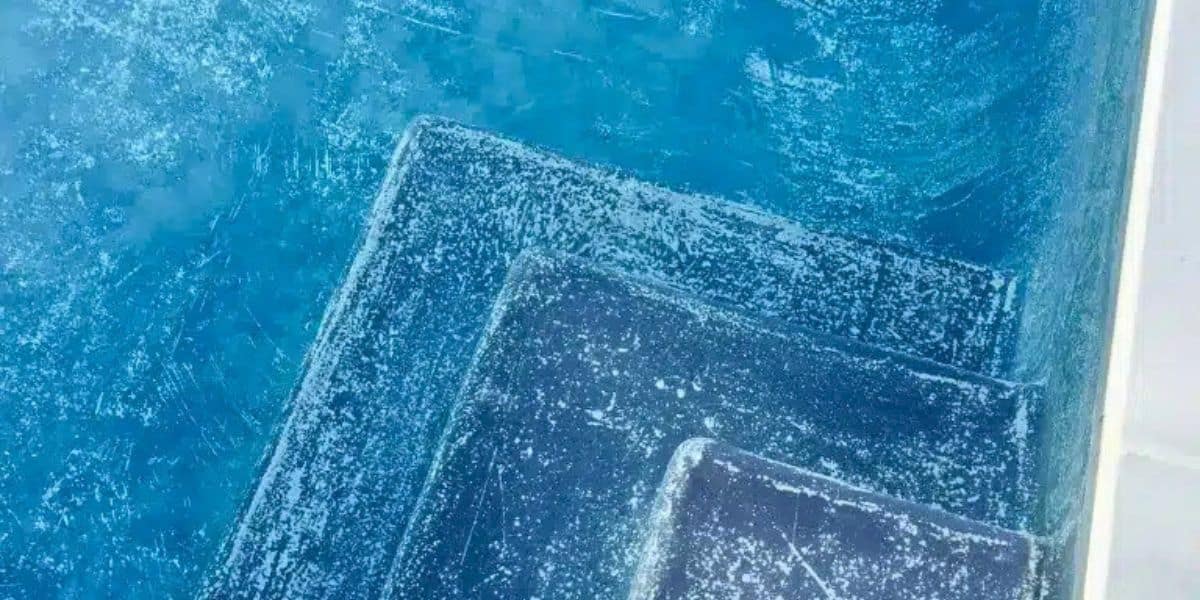
High pH creates alkaline water. Alkaline water encourages minerals to fall out of solution and attach to the pool surface. This process leads to scale formation. Scale appears as rough, chalky patches that feel abrasive underfoot. It can also cloud the water and reduce chlorine’s effectiveness.
Scale is more than a cosmetic issue. It creates areas where algae can cling more easily and makes cleaning more difficult. Once scale forms, it can spread across the interior and cause long-term damage. Maintaining balanced pH prevents this build‑up and protects the surface from unnecessary wear.
The Role of Alkalinity in Surface Protection
Alkalinity buffers pH. It helps keep pH stable and prevents sudden changes. When alkalinity is too low, pH becomes unstable and fluctuates easily. These fluctuations place constant stress on the pool surface.
Low alkalinity often causes the same problems as low pH. The water becomes aggressive and begins to dissolve materials from the interior. Concrete pools lose calcium, while fibreglass pools lose the protective qualities of their gelcoat. These changes happen gradually, but they create long-term damage that becomes more noticeable each season.
High alkalinity creates a different challenge. It makes pH difficult to adjust and encourages scale formation. The surface becomes rough and discoloured, and the water becomes harder to balance. Maintaining proper alkalinity helps protect the surface and keeps the water chemistry stable.
How Calcium Hardness Influences Surface Wear
Calcium hardness is another key element of water chemistry. It determines how much calcium is present in the water. When calcium hardness is too low, the water starts drawing calcium from the pool surface. This process is known as leaching.
Low Calcium Hardness and Etching
Low calcium hardness makes the water hungry for minerals. It pulls calcium from the plaster or concrete finish, weakening the surface and creating a rough texture. This process is slow but persistent. Over time, the interior becomes etched and loses its smooth feel.
Fibreglass pools can also be affected. While they do not contain calcium in the same way concrete pools do, low calcium hardness can still contribute to surface dullness and increased staining.
High Calcium Hardness and Scale Formation
High calcium hardness creates the opposite problem. Excess calcium encourages scale formation. Scale attaches to the surface, creating rough patches and discolouration. It can also block filters, reduce circulation and make the water appear cloudy.
Balanced calcium hardness helps maintain a smooth, durable surface and prevents both leaching and scale formation.
How Chlorine Levels Affect Surface Condition
Chlorine is essential for sanitising the pool, but it must be kept within a safe range. When chlorine levels are too high, the water becomes harsh and can damage the surface. High chlorine levels can bleach the interior, causing fading and discolouration. They can also weaken the protective layer of fibreglass pools.
Low chlorine levels create a different challenge. They allow algae and bacteria to grow. Algae can stain the surface and create discolouration that is difficult to remove. Once algae becomes embedded in the interior, it often requires professional treatment.
Balanced chlorine levels keep the water safe and protect the surface from unnecessary wear.
The Impact of Poor Water Chemistry on Fibreglass Pools
Fibreglass pools rely on a gelcoat finish to protect the interior. This gelcoat is strong, smooth and designed to resist UV exposure and chemical interaction. Poor water chemistry weakens the gelcoat and reduces its ability to protect the pool.
Low pH, low alkalinity and high chlorine levels can all damage the gelcoat. The surface becomes dull, chalky and more susceptible to staining. Once the gelcoat begins to break down, the pool becomes harder to maintain and more likely to require resurfacing.
Scale formation is also a concern. High pH and high calcium hardness encourage minerals to attach to the gelcoat. These deposits create rough patches and make cleaning more difficult.
Maintaining balanced water chemistry is one of the most effective ways to protect a fibreglass pool and extend the life of its surface.
The Impact of Poor Water Chemistry on Concrete Pools
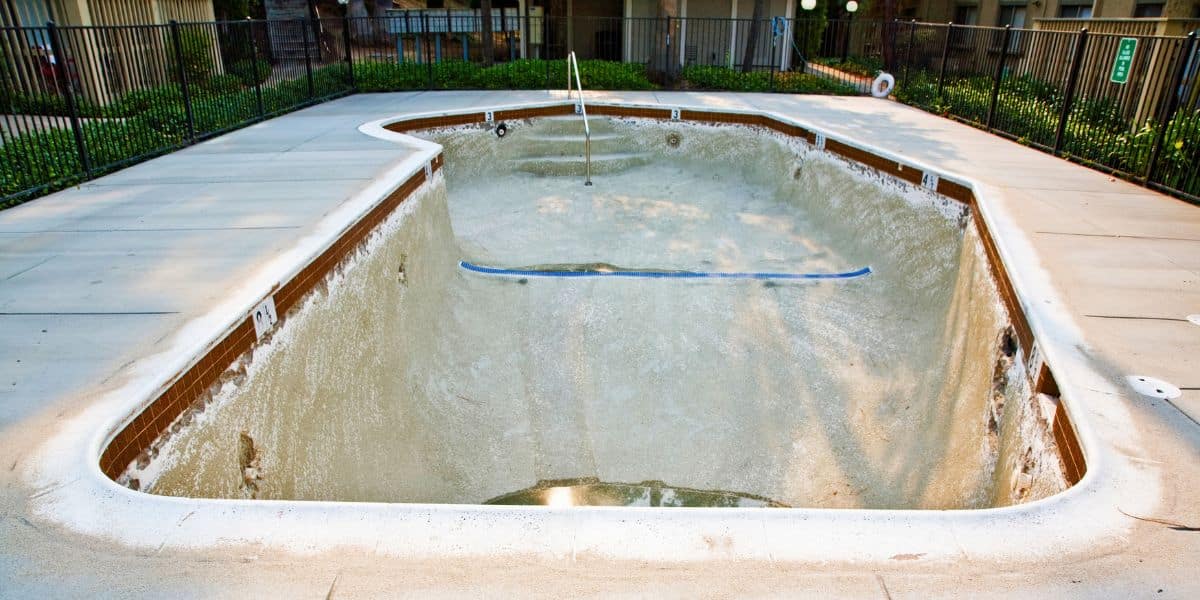
Concrete pools are more porous than fibreglass pools, which makes them more sensitive to water chemistry. Low pH and low calcium hardness can draw minerals from the plaster or painted finish. This process weakens the surface and creates rough, etched areas.
High pH and high calcium hardness encourage scale formation. Scale attaches to the interior and creates a rough texture that makes swimming uncomfortable. It also increases the risk of staining and algae growth.
Concrete pools rely heavily on balanced water chemistry to maintain their appearance and structural integrity. Regular testing and adjustment help prevent long-term damage and reduce the need for resurfacing.
How Poor Water Chemistry Leads to Staining
Staining is one of the most common signs of poor water chemistry. When the surface becomes porous or weakened, minerals and organic matter can penetrate and leave permanent marks. These stains often appear as brown, yellow or green patches that do not respond to brushing or chemical treatment.
Stains can come from metals in the water, leaves, soil, sunscreen, and algae. Once they become embedded in the surface, they are difficult to remove. Balanced water chemistry helps prevent staining by keeping the surface smooth and non‑porous.
How Poor Water Chemistry Makes Maintenance Harder
Poor water chemistry creates a cycle of maintenance challenges. When the surface becomes rough or porous, algae can cling more easily. This increases the need for brushing and chemical treatment. Scale formation makes cleaning harder and reduces circulation. Stains become more common and require more effort to remove.
Balanced water chemistry keeps the surface smooth and easy to maintain. It reduces the workload on the filtration system and helps keep the water clear. Homeowners who maintain proper water chemistry often find that their pool requires less effort and remains in better condition over time.
Preventing Surface Damage Through Proper Water Chemistry
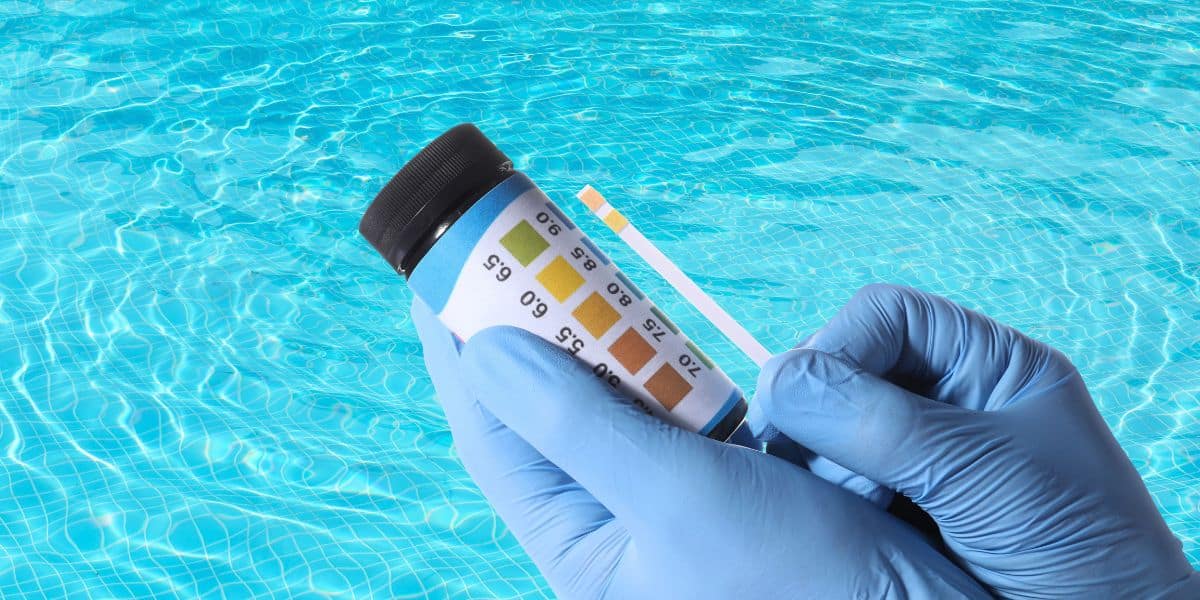
Preventing surface damage begins with regular testing. Water chemistry changes over time, and small adjustments help keep the balance stable. Testing pH, alkalinity, calcium hardness and chlorine levels ensures the water remains gentle on the surface and safe for swimmers.
Consistent maintenance also helps. Cleaning the pool, maintaining circulation and monitoring seasonal changes all support balanced water chemistry. Homeowners who take a proactive approach often enjoy a pool that stays in excellent condition for many years.
Final Thoughts
Water chemistry is one of the most important factors in the long-term health of a pool surface. Poor water chemistry leads to corrosion, scale formation, staining and surface wear. These issues develop gradually but can create significant damage over time. Understanding how water chemistry affects the pool interior helps homeowners make better maintenance decisions and protect their investment.
Balanced water chemistry keeps the surface smooth, protects the pool’s structure, and keeps the water safe and enjoyable. For homeowners who want to maintain a healthy pool, regular testing and adjustment are essential.
To protect your pool surface and maintain balanced water chemistry, contact Pool Revive for expert guidance and professional support.