South Australian summers arrive quickly, often with heat that pushes every outdoor surface to its limit. Adelaide homeowners know the pattern well. The first warm days arrive, the backyard comes alive, and suddenly the pool becomes the home’s centre again. That’s usually when people notice their pool surface doesn’t look as sharp as it did last season. A worn interior can change the entire feel of a pool, and in many cases it signals that resurfacing is due long before the real heat arrives.
Understanding the early signs of surface fatigue is one of the most valuable things an Adelaide pool owner can learn. South Australia’s climate, soil movement and water chemistry create a unique environment for both fibreglass and concrete pools. When a surface begins to fail, it rarely happens overnight. The pool sends signals. They start subtle, then become increasingly obvious. Recognising them early helps avoid costly repairs, protects the pool’s structure, and keeps the water safe for swimmers throughout summer.
How Adelaide’s Climate Accelerates Surface Wear
Adelaide’s weather patterns play a major role in how quickly a pool surface ages. The city experiences long stretches of dry heat, sudden temperature swings and strong UV exposure. These conditions constantly pressure both fibreglass and concrete interiors. Even a well‑maintained pool will eventually show signs of fatigue under this level of environmental stress.
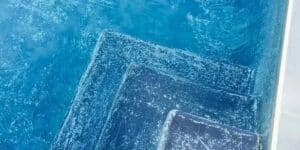
During summer, UV exposure is intense enough to break down the topcoat of a fibreglass pool. This process happens gradually. The surface becomes dull, then chalky, then visibly faded. Concrete pools experience similar stress. Their plaster or painted finish begins to lose its protective qualities, allowing water to penetrate and weaken the surface. Adelaide’s heat speeds up this process, especially with frequent pool use.
Winter also plays a part. Cold nights followed by warm days cause the pool shell to expand and contract. Over time, this movement contributes to small cracks, surface lifting and general wear. When summer arrives, these issues become more noticeable because the pool is used more often and the water chemistry changes with increased demand.
Understanding this climate pressure helps explain why resurfacing is a normal part of pool ownership in South Australia. It is not a sign of poor maintenance. It simply results from living in a region with strong seasonal extremes.
The First Sign: A Chalky or Powdery Surface
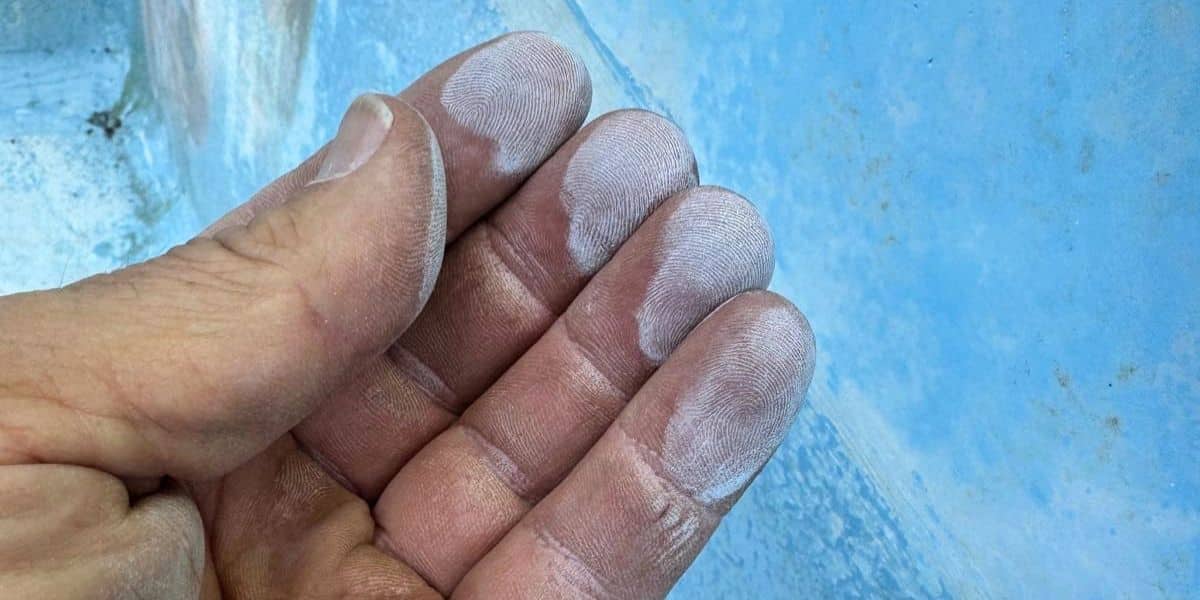
One of the earliest and most common signs that a pool in Adelaide needs resurfacing is a chalky residue on the surface. Homeowners often notice this when they brush the pool walls or run a hand along the interior. The surface feels dusty and leaves a faint white film on the skin. This is known as chalking.
Chalking occurs when the gelcoat or paint begins to break down. UV exposure, water chemistry and age all contribute to this process. In fibreglass pools, chalking clearly indicates the protective layer has worn thin. In concrete pools, chalking often appears when the paint or plaster has reached the end of its lifespan.
A chalky surface is more than a cosmetic issue. It affects water clarity, increases the workload on the filtration system and can make the pool feel unpleasant to swim in. Once chalking begins, it rarely improves. Resurfacing restores the protective layer and prevents further deterioration.
Fading and Discolouration Across the Pool Interior
Fading is another strong indicator that resurfacing is due. Adelaide’s UV levels are high enough to bleach colour from a pool surface within a few seasons. The fading usually starts on the sunniest side of the pool, then spreads across the interior.
In fibreglass pools, fading often appears as uneven patches where the colour has lost depth. Concrete pools show fading through dull, washed‑out areas that no longer match the original finish. Discolouration can also occur when minerals in the water react with a worn surface, creating stains that are difficult to remove.
Fading doesn’t affect the pool’s structural integrity, but it signals that the protective layer is no longer performing as it should. Once the surface loses its ability to resist UV and chemical exposure, deterioration speeds up. Resurfacing restores the colour, protects the shell and gives the pool a fresh, uniform appearance.
Rough Patches That Make Swimming Uncomfortable
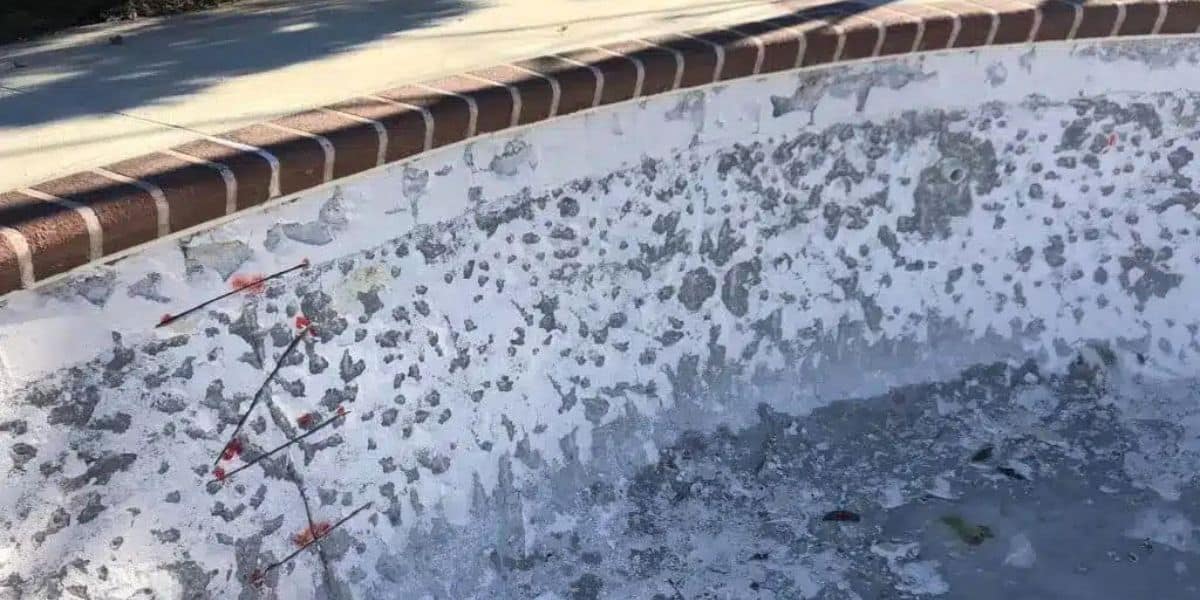
A healthy pool surface should feel smooth and comfortable underfoot. When rough patches appear, it signals that the top layer has worn away. This is common in older concrete pools, where plaster or painted finishes gradually erode. Fibreglass pools can also develop rough areas when the gelcoat becomes thin.
Rough patches are more than an inconvenience. They can cause minor scrapes, catch swimwear and create areas where algae can cling more easily. Once the surface becomes rough, cleaning becomes harder, and water quality can decline. These patches rarely improve with standard maintenance. Resurfacing is the most effective way to restore a smooth, safe finish.
Surface Lifting or Blistering
Surface lifting is a more advanced sign of wear. Homeowners often describe it as small bubbles, blisters or raised areas on the pool interior. In fibreglass pools, this can indicate osmosis or separation between gelcoat layers. In concrete pools, lifting usually appears when paint or plaster begins to detach from the substrate.
Adelaide’s climate contributes to this problem. Heat accelerates chemical reactions within the pool shell, while cold nights create contraction. Over time, these movements weaken the bond between layers. Once lifting begins, it tends to spread. Resurfacing is essential to prevent further damage and protect the pool’s structural integrity.
Cracks That Appear Around High‑Stress Areas
Cracks are a clear sign you should consider resurfacing. They often appear around steps, corners and shallow areas where movement is most common. In concrete pools, cracks can form when the surface becomes brittle or when soil movement places pressure on the shell. Adelaide’s clay‑based soils expand and contract with moisture changes, which increases the likelihood of cracking.
Fibreglass pools can also develop hairline cracks in the gelcoat. These cracks are usually superficial, but they indicate that the surface has reached the end of its lifespan. Resurfacing seals these cracks, restores the protective layer and prevents water from penetrating deeper into the shell.
Persistent Stains That Do Not Respond to Cleaning
Stains are common in pools, but persistent stains that do not respond to brushing or chemical treatment often signal that the surface has become porous. Once a surface loses its protective qualities, minerals, metals and organic matter can penetrate and leave permanent marks.
Adelaide’s water supply contains minerals that can contribute to staining when the surface is worn. Leaves, soil, and sunscreen can also create stains that embed in the interior. Resurfacing provides a fresh, non‑porous finish that resists staining and keeps the pool looking clean throughout summer.
Water Chemistry That Becomes Harder to Balance
A worn pool surface can make water chemistry more difficult to manage. When the interior becomes porous, it interacts with the water in ways that disrupt pH, alkalinity and calcium levels. Homeowners often notice that they are adding more chemicals than usual or that the water becomes cloudy despite regular maintenance.
This challenge is common in older pools across South Australia. Once the surface begins to break down, the water chemistry becomes unstable. Resurfacing creates a smooth, sealed interior that helps the water stay balanced with less effort.
Why Resurfacing Before Summer Matters
Resurfacing is not only about appearance. It protects the pool, improves water quality, and ensures the swimming season is enjoyable. Adelaide’s summer places heavy demand on every part of a pool. The water is warmer, the UV exposure is stronger, and the pool is used more frequently. A worn surface struggles under this pressure.
Resurfacing before summer ensures the pool is ready for the season. The new surface is easier to clean, more resistant to UV and more comfortable for swimmers. It also reduces the risk of mid‑season repairs, which can disrupt the entire summer.
For Adelaide homeowners, resurfacing is a smart investment that extends the pool’s life and keeps it performing at its best. It is one of the most effective ways to maintain a safe, attractive and reliable swimming environment.
Choosing a Resurfacing Specialist in South Australia
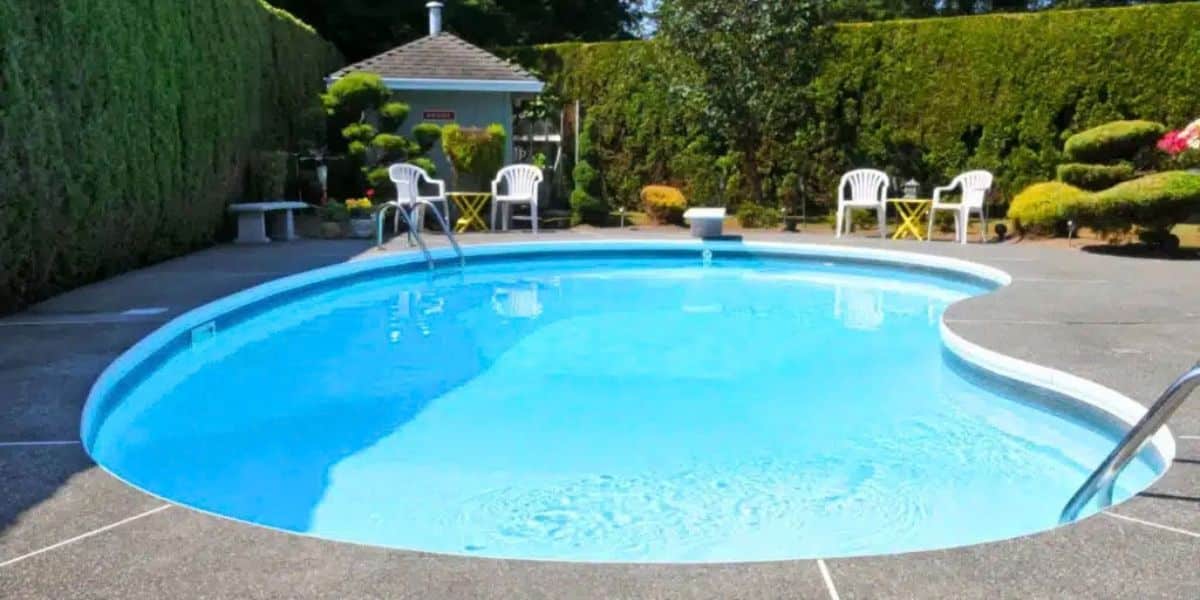
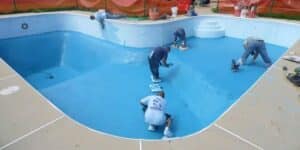
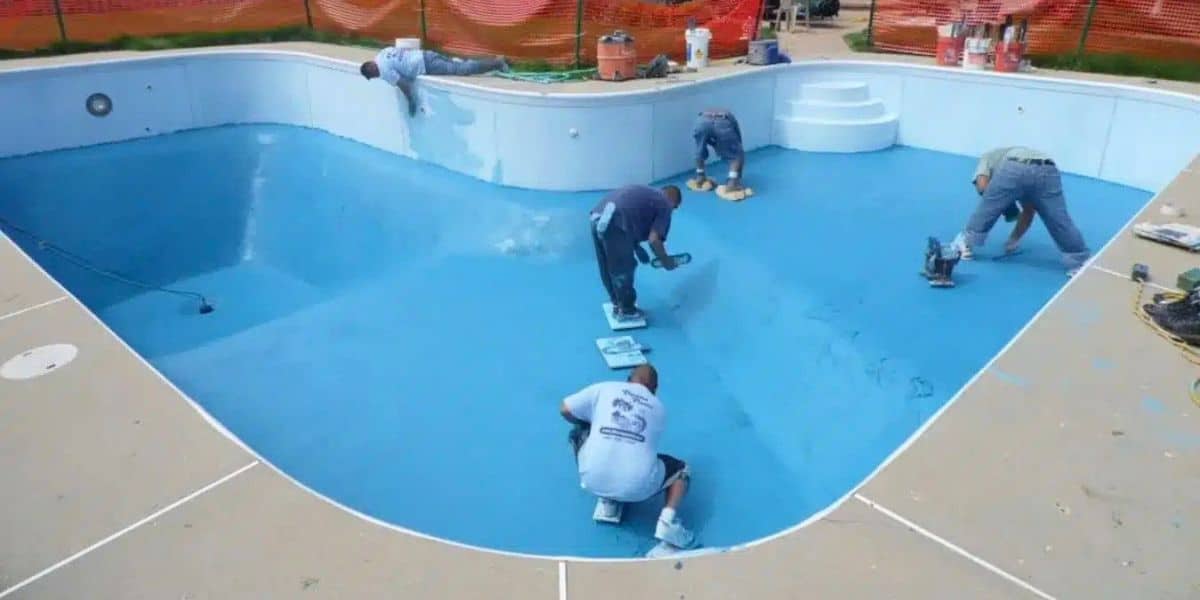
Pool resurfacing is a specialised job, and Adelaide homeowners benefit most from working with a team that understands South Australia’s unique conditions. Local climate patterns, soil movement, and water chemistry all influence how a pool surface behaves over time, so a resurfacing specialist needs to recognise these factors and apply finishes suited to the region. A team experienced with both fibreglass and concrete pools can assess the interior properly, identify early structural concerns and recommend a surface that will hold up through long summers and cooler winters.
Quality workmanship and the right materials make a noticeable difference. A well‑prepared surface bonds more effectively, lasts longer and maintains its appearance even under strong UV exposure. When resurfacing is done correctly, the pool becomes easier to maintain, the water stays clearer, and the entire space feels more inviting. For many Adelaide families, resurfacing is the most reliable way to restore comfort, safety and visual appeal before the summer season begins.
A pool is a major feature of any home, and keeping it in good condition protects both its value and its enjoyment. Recognising early signs of wear allows homeowners to act before problems escalate. Chalking, fading, rough patches, lifting, cracks, stains and unstable water chemistry all point toward resurfacing. Addressing these issues early ensures the pool is ready for warm weather and regular use.
To prepare your pool for summer, contact Pool Revive and arrange a resurfacing assessment.